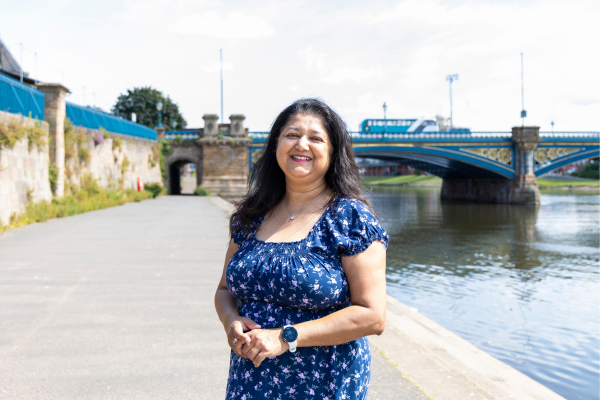
Shamshad Walker is one of our team of talented practitioners. She is expert in finding practical and no-nonsense ways of improving diversity and inclusion in the workplace. She will be talking about the Future of Diversity at our 2024 Future of Work Conference on 10th October at the Headland Hotel in Newquay. Here she gives a taste of the pragmatic steps you can take to make your business more inclusive.
Building an Inclusive Workforce
Candidates today are asking tough, critical questions during recruitment: is this organisation truly inclusive and will it offer real development opportunities? That’s why building an inclusive workplace must start long before candidates even apply. The problem many organisations encounter is that some leaders unconsciously fall into bias when screening talent, focusing on familiarity rather than what truly drives success.
Mirror Recruitment
Many leaders make the mistake of hiring people who are just like them—who look, think, and act the same. This is called mirror recruitment and it has serious consequences. By hiring people who are too similar, you limit diversity and fresh ideas. Without different perspectives, creativity suffers and innovation naturally stalls. This hurts the organisation’s ability to grow and adapt to new challenges.
Mirror recruitment also leads to group think, where everyone agrees with each other and new solutions aren’t explored. It reduces problem-solving abilities and can cause biases to continue unchecked. Over time, it lowers employee engagement, prevents a truly inclusive culture and makes it harder to attract top talent from different backgrounds. In the end, it restricts both the growth of individuals within the team and the success of the organisation as a whole.
First Step
To break this cycle, we need to challenge assumptions about the knowledge, skills, attributes and experiences truly needed for success in the role. These must be relevant to the job and clearly defined before reviewing candidates. Question ingrained ideas about qualifications, degrees, and backgrounds—they can be subtle but powerful blockers of diverse talent.
Be mindful of early red flags, like the term “cultural fit.” Always ask: is there evidence this factor distinguishes top performers? If not, it has no place in the hiring process. Don’t limit your talent pool based on outdated norms—you could miss out on incredible candidates. This is your opportunity to rewrite the rules and bring in high-impact, diverse talent.
Customer Experience
Leaders should also recognise that their customer base is diverse, with varying needs, preferences and perspectives too. By ensuring their teams reflect this diversity, they can better understand and serve their customers.
A workforce that mirrors the diversity of its customers is more likely to offer creative solutions, develop inclusive products and provide more relatable and empathetic customer service. Leaders who prioritise diverse hiring are not only fostering internal innovation but they are also aligning their team with the broad range of customers they want to attract and retain.
How to Make a Change
There are two simple steps that I would suggest:
First, we can train leaders to ensure an inclusive workforce by providing them with unconscious bias training, equipping them with objective screening tools, helping them identify and replace stereotypes with more accurate beliefs and teaching them to prioritise job-relevant skills and diverse perspectives throughout the recruitment process.
Secondly, using practical tools like the Harrison Assessment can help. It screens candidates based on job-relevant traits and competencies, reducing bias and ensuring more objective hiring decisions. By aligning behavioural tendencies with the role’s real requirements—rather than a leader’s preferences—you create a hiring process that boosts diversity and long-term performance.
Get in touch with our team of practitioners if you would like help with building an inclusive workforce. We’re here to help.